
Shop information comes from the owner and the Federation’s processor listing. Hunting, food-safety, and wildlife guidance links to its sources. Unconfirmed prices, hours, and services are left for a phone call. Each guide shows its review date; always check current agency rules.
62 of 62 guides
- Do I need to call before deer drop-off?Call (615) 604-3887 every time before bringing a deer to Country Boy Trades, in every season.
- A deer drop-off checklistPrepare for deer drop-off with a confirmation number, a cool and clean harvest, and a clear list of questions for the processor.
- How to confirm processing pricesThe additional fee for a non-field-dressed deer is $45.00. Learn which other processing prices and payment details to confirm with Country Boy Trades.
- Plan your venison pickupAsk about readiness, pickup hours, payment, and cold transport before collecting your venison from Country Boy Trades.
- Questions for your deer cut sheetPlan your backstrap preparation, whole tenderloins, roasts, steaks, ground venison, and specialty products. Added fat carries an extra charge.
- Packaging and labeling questionsConfirm how your venison will be packed and labeled. Learn why freezer packaging matters without assuming the shop vacuum-seals orders.
- Discussing backstrap optionsChoose sliced, whole, or butterflied backstraps at Country Boy Trades. Discuss packaging, cut size, and processing prices before finalizing your order.
- Discussing tenderloin optionsWhole tenderloins are offered at Country Boy Trades. Discuss packaging and pricing, then follow safe storage, thawing, and cooking guidance.
- Planning venison roastsDiscuss roast requests and package sizes with the shop, then plan safe thawing and thermometer-based cooking at home.
- Planning venison stew meatAsk about stew-meat preparation and packaging, and use safe cooling and reheating practices for soups and stews.
- Ground venison: questions and careGround venison is offered, with added fat available for an extra charge. Confirm ingredients and packaging; keep raw meat cold and cook to 160°F.
- Summer sausage at Country Boy TradesOriginal and jalapeño summer sausage come in 2-lb sticks with cheddar or pepper jack cheese. Confirm prices, minimums, and complete ingredients.
- Regular jerky at Country Boy TradesThe owner confirms regular jerky as a shop product. Check ingredients, quantities, pricing, and product-specific storage directions.
- Hot jerky at Country Boy TradesHot jerky is an owner-confirmed product. Ask about the current recipe and heat level rather than relying on invented spice ratings.
- The Carter Colon CleanseThe Carter Colon Cleanse can be added to any item you want. It is extremely hot—eat with extreme caution. The name is not a medical or health claim.
- From the field to the coolerProtect your harvest with prompt handling, cooling, and clean transport. Field dressing is not required at Country Boy Trades; a $45 additional fee applies.
- Transporting venison cleanlyKeep a deer cool, protect meat from contamination, and check carcass-transport restrictions before moving your harvest.
- Preventing cross-contaminationKeep raw venison, dirty tools, and raw-meat juices away from ready-to-eat food throughout handling, storage, and meal preparation.
- Refrigerating raw venisonKeep raw venison at 40°F or below, use it promptly, and freeze what you cannot cook soon. Ground meat needs particular attention.
- Freezing venison for qualityUse a freezer at 0°F or below, suitable wrapping, and dated packages. Freezing preserves safely handled meat but does not sterilize it.
- Three safe ways to thaw venisonThaw venison in the refrigerator, in cold water with a leak-proof bag, or in a microwave. Never thaw it on the kitchen counter.
- Cooking venison with a thermometerUse a thermometer rather than color or cooking time. This site uses Penn State’s conservative 160°F venison recommendation and 165°F for leftovers.
- Cooling and reheating venison leftoversRefrigerate cooked venison promptly, use shallow containers, and reheat leftovers to 165°F. USDA gives three to four days for refrigerated leftovers.
- Using food and appliance thermometersA food thermometer checks cooking; an appliance thermometer checks cold storage. Both help replace guesswork when caring for venison.
- Making venison jerky safely at homeDrying alone is not a reliable safety step. USDA recommends heating meat to 160°F before dehydration and using a controlled drying process.
- Protecting venison during a power outageKeep the freezer closed and use temperature and ice-crystal checks. Do not taste meat to decide whether it stayed safe during an outage.
- Tennessee deer harvest check-inTWRA requires tagging or smartphone check-in before moving big game, and a harvest confirmation number must accompany a deer taken to a processor.
- Finding current Tennessee deer seasonsCheck current TWRA season dates, deer-management units, equipment rules, and public-land exceptions before hunting.
- Finding Tennessee hunting-license informationUse TWRA’s official license portal to check current requirements, permits, and eligibility rather than assuming one license fits every hunter.
- CWD precautions for deer huntersCDC advises testing where recommended, avoiding sick animals, and not eating meat from an animal that tests positive for chronic wasting disease.
- Check deer carcass transport rulesTennessee restricts importing certain cervid parts and moving carcasses out of its CWD Management Zone. Check TWRA before driving to a processor.
- Donating a whole deer in BethpageDonate a whole deer through Hunters for the Hungry in Bethpage. Learn about program processing coverage and the shop’s additional field-dressing fee.
- Questions about partial deer donationsTennessee Wildlife Federation permits partial donations outside the CWD Management Zone. Free processing is specifically for whole-deer donations.
- Where donated venison goesHunters for the Hungry distributes donated venison through food banks, soup kitchens, and shelters. People seeking meat contact hunger-relief agencies.
- How to sight in your firearm or bowPrepare for deer season with safe range habits, firearm zero checks, bow-sight basics, and realistic practice limits before taking a hunting shot.
- Deer shot placement and protecting your venisonLearn why ethical heart/lung shot placement, animal angle, prompt recovery, and clean cooling matter for deer processing and usable venison.
- How to plan a successful deer huntBuild a practical Tennessee deer-hunting plan around legal access, safe preparation, local weather, ethical shot limits, and responsible recovery.
- Deer processing: from harvest to freezerFollow the decisions that protect venison: clean recovery, prompt cooling, practical cut choices, and a plan for getting meat into the freezer.
- How to pack a cooler for venisonBuild a clean, temperature-checked cooler system for boneless venison and processor pickup without relying on outside weather or guesswork.
- Backstrap vs. tenderloin: know your venisonLearn the difference between deer backstraps and tenderloins, how to request each cut, and why portion size matters when planning meals.
- Trimming venison and removing silverskinUnderstand clean trimming, tough connective tissue, and when damaged or contaminated venison needs more than a cosmetic cleanup.
- Choosing added fat for ground venisonPlan ground venison around burgers, chili, or other meals, confirm added-fat charges, and understand why grinding requires careful cold handling.
- How to organize a venison freezerUse meal-size portions, durable labels, temperature checks, and a simple inventory to protect venison quality and avoid forgotten packages.
- Jerky temperature: heating vs. dryingLearn why dehydrator settings, marinade, and extra spice do not replace USDA’s recommended heat step for homemade venison jerky.
- Home deer-processing equipment checklistPrepare a clean home work area, cold storage, safe tools, and packaging before attempting to process venison yourself.
- Can you safely age deer meat at home?Understand why controlled refrigeration is different from hanging a deer outside, and why aging is not a cure for poor handling.
- Why deer meat yield variesUnderstand why live weight, carcass weight, trimming, shot damage, and cut choices cannot promise a fixed amount of packaged venison.
- Venison sausage: fresh, cooked, or shelf-stable?Ask the right questions about sausage preparation, refrigeration, ingredients, and cooking instead of assuming every smoked product is ready to eat.
- Does marinating make venison safe or tender?Separate flavor and texture choices from food-safety controls when marinating backstrap, roasts, steaks, or meat intended for jerky.
- How to plan a hunting entry route with windUse wind forecasts, property boundaries, local terrain, and safe access to plan a deer hunt without treating wind direction as a guaranteed tactic.
- Is morning or evening better for deer hunting?Compare daylight, weather, legal access, and your own observations instead of assuming one hunting session is always best near Sumner County.
- Plan deer recovery before a warm-weather huntPrepare communication, permission, clean transport, cooling supplies, and processor contact before hunting in warm Tennessee conditions.
- Does wind stop deer movement?What a Penn State study actually found about wind and deer—and why it cannot guarantee a Tennessee hunt or justify dangerous conditions.
- Does moon phase predict deer movement?Understand the limits of moon-phase hunting claims, what GPS research found, and why daylight planning is not a solunar prediction.
- Barometric pressure and deer: what can it tell you?Read hunting pressure charts without turning a weather measurement into a guaranteed deer forecast, feeding time, or safety decision.
- How to use trail-camera photos responsiblyOrganize deer-camera observations by date, time, location, and effort while avoiding false promises about where a deer will be during a hunt.
- Plan around hunting pressure without trespassingCoordinate with other hunters, respect neighboring property, and document disturbance without claiming that pressure always moves deer a certain way.
- Reading deer tracks, rubs, and trailsUse deer sign as evidence of past use—not a guaranteed schedule—and combine scouting with permission, visibility, and a safe hunting plan.
- Tree-stand checks before a deer huntReview manufacturer instructions, fall protection, weather, communication, and an alternative ground plan before using an elevated hunting setup.
- Thunderstorms: when to stop a huntPlan safe shelter before entering the woods, understand why a blind is not lightning shelter, and do not let a hunting forecast override thunder.
- Check Tennessee deer baiting rules before huntingFind current TWRA guidance for deer baiting, feeding, property restrictions, licenses, and CWD areas rather than relying on last season’s advice.
- Keep a hunting log that answers useful questionsTrack effort, sightings, weather, access, and equipment changes without turning one successful hunt into an unsupported deer-movement rule.
Video explainers
10 short AI-generated educational illustrations with captions and transcripts. Not actual shop footage and not a replacement for professional instruction.
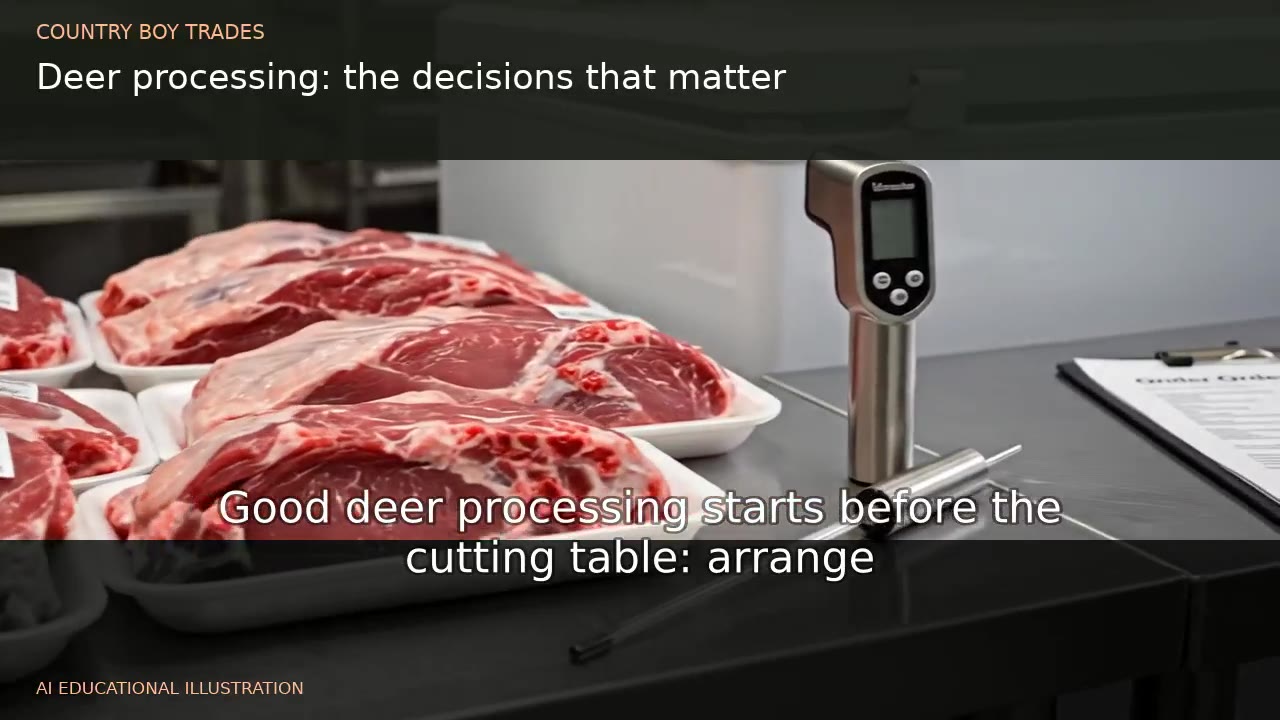 Deer processing: the decisions that matterA practical overview of clean handling, cut choices, and freezer planning.
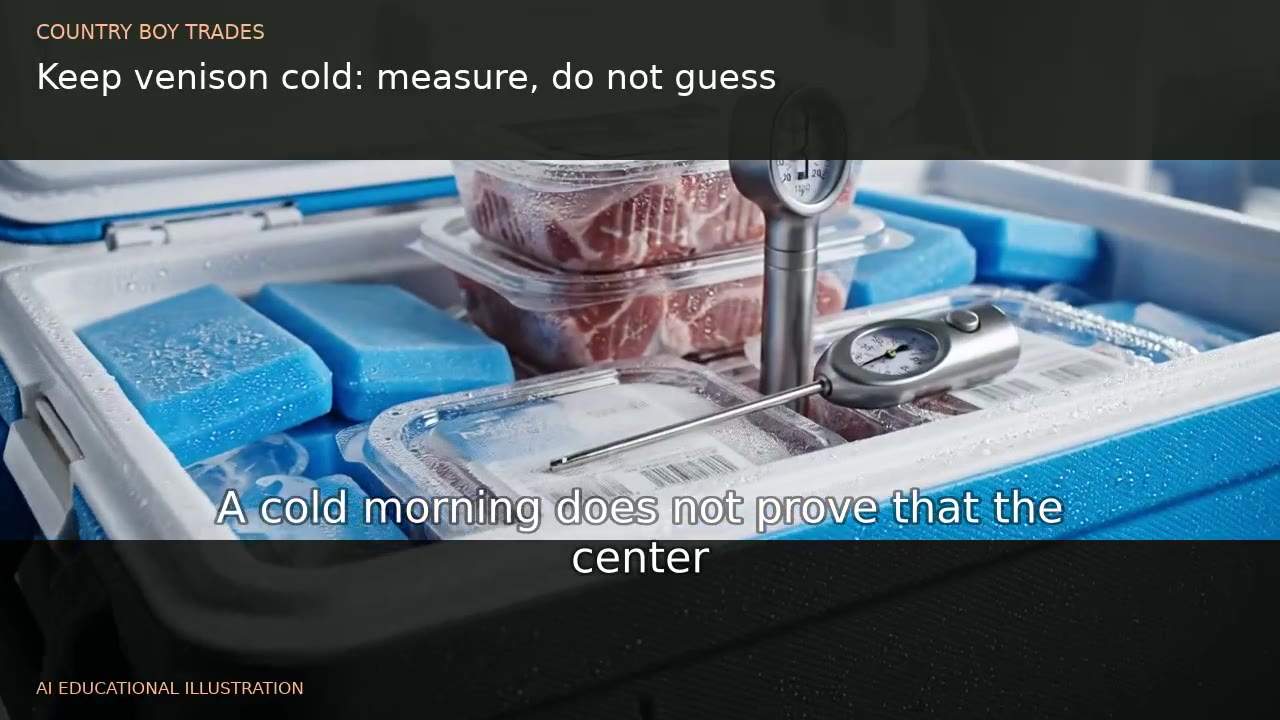 Keep venison cold: measure, do not guessWhy cooler temperature and clean packaging matter more than cold weather alone.
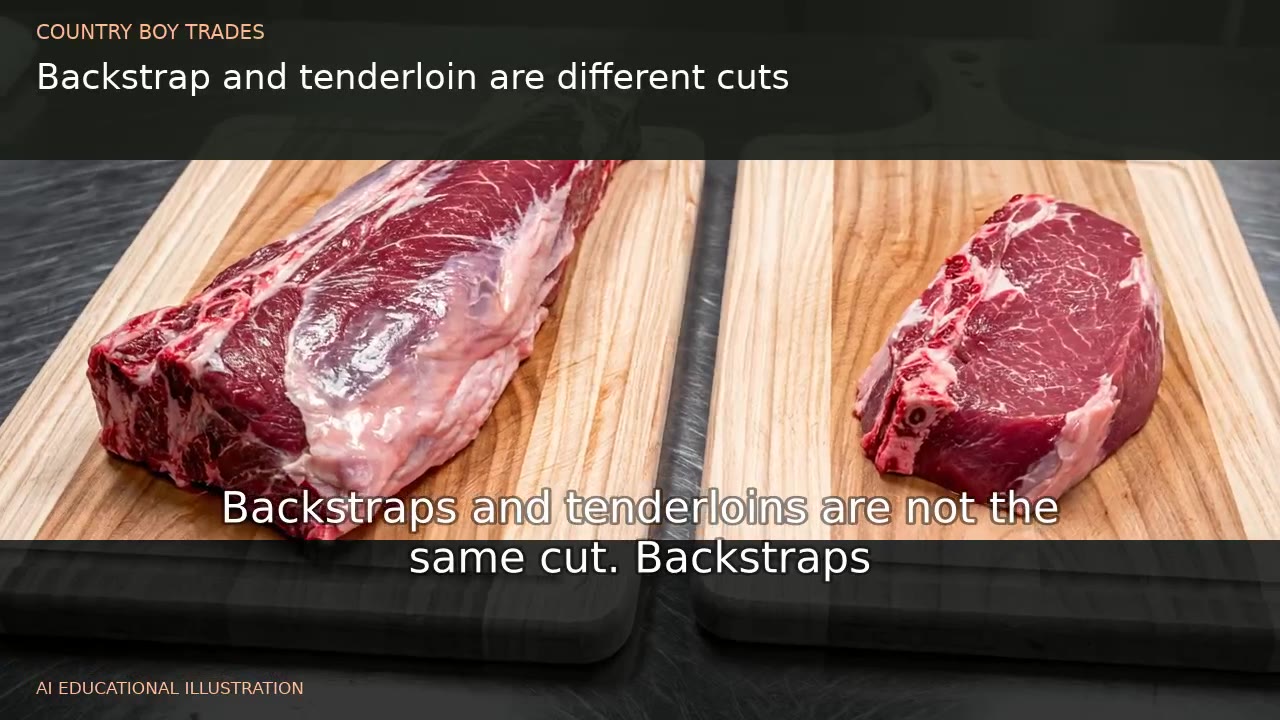 Backstrap and tenderloin are different cutsIdentify the two cuts and choose portions around how you cook.
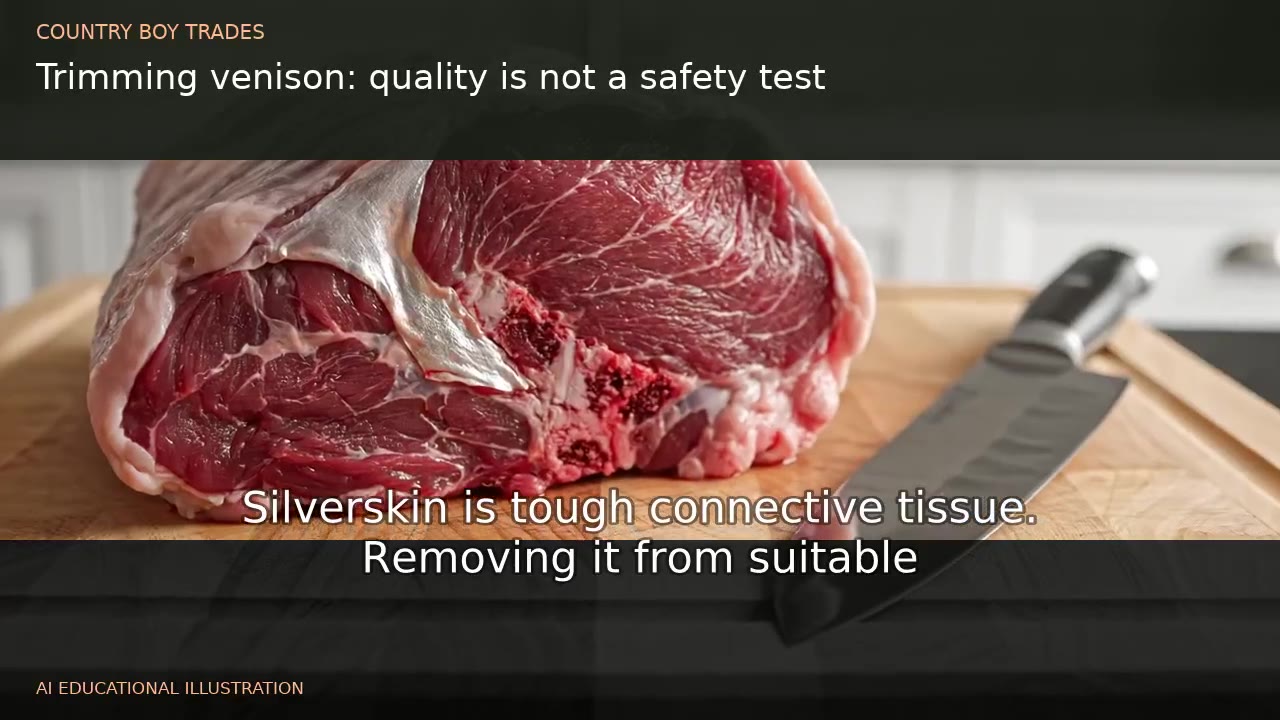 Trimming venison: quality is not a safety testSeparate texture concerns from contamination and spoilage concerns.
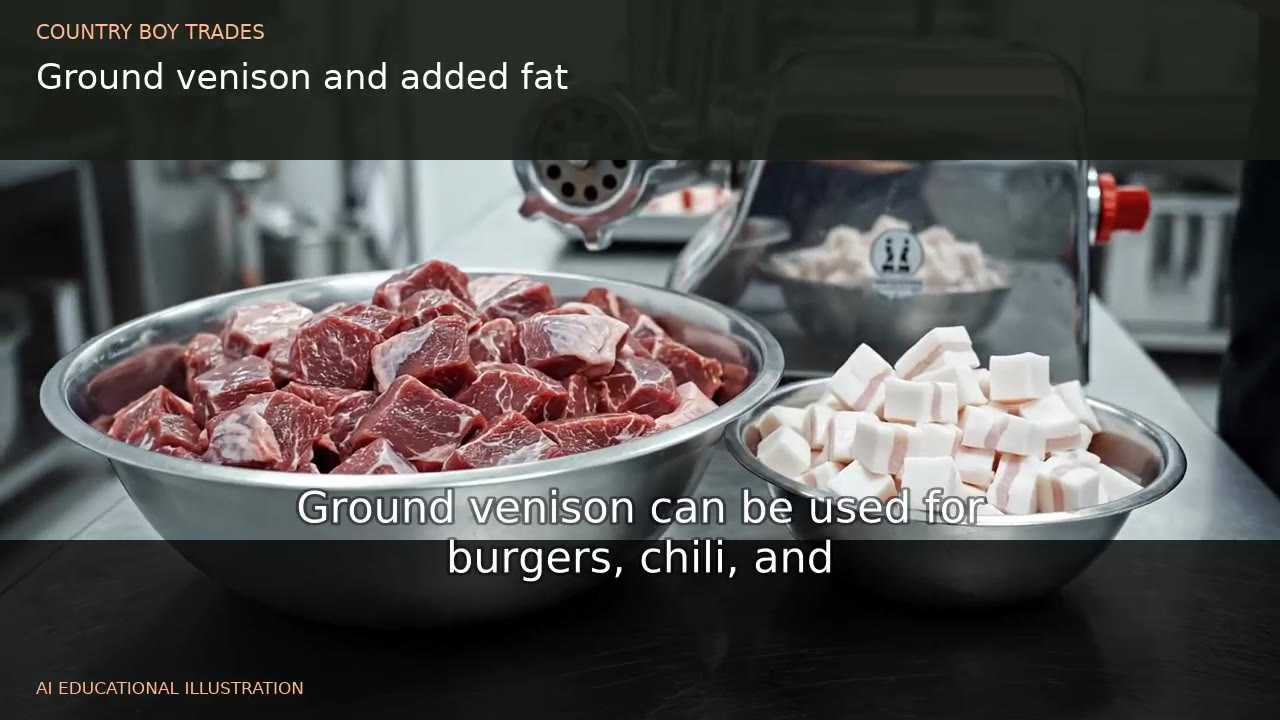 Ground venison and added fatMatch your ground-meat order to meals without assuming a standard fat blend.
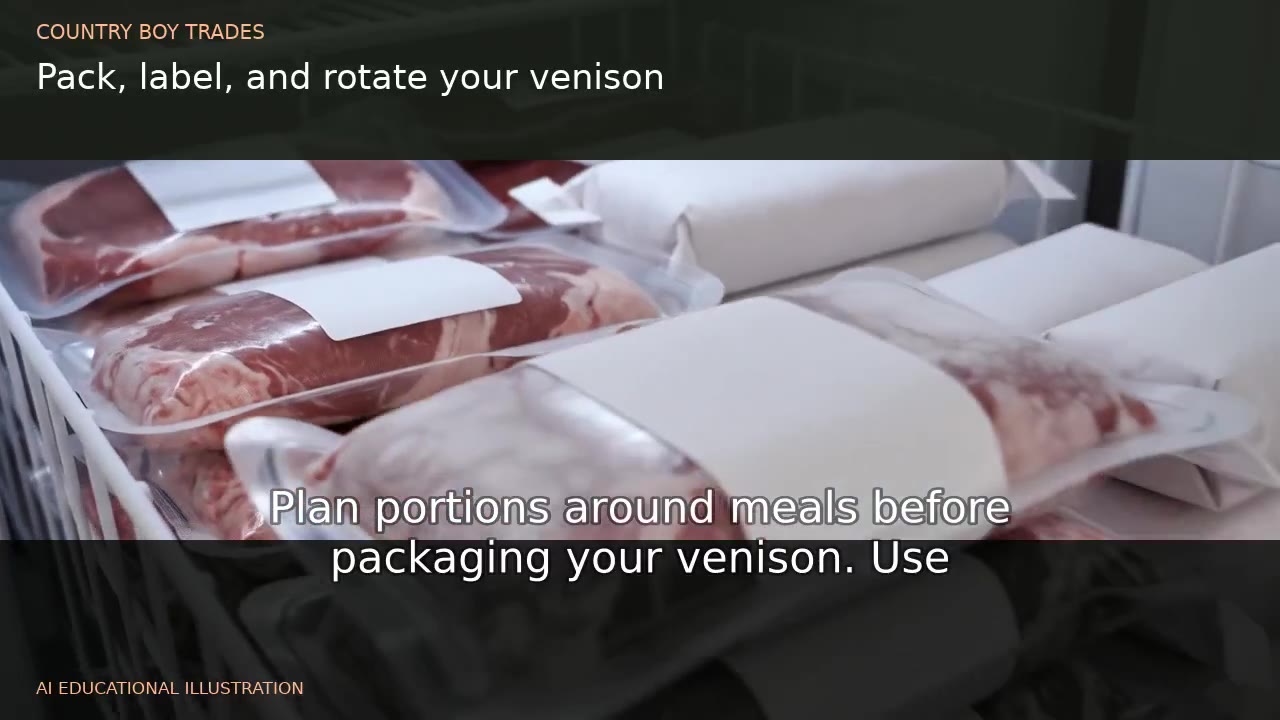 Pack, label, and rotate your venisonA simple system for meal-size portions, freezer protection, and date labels.
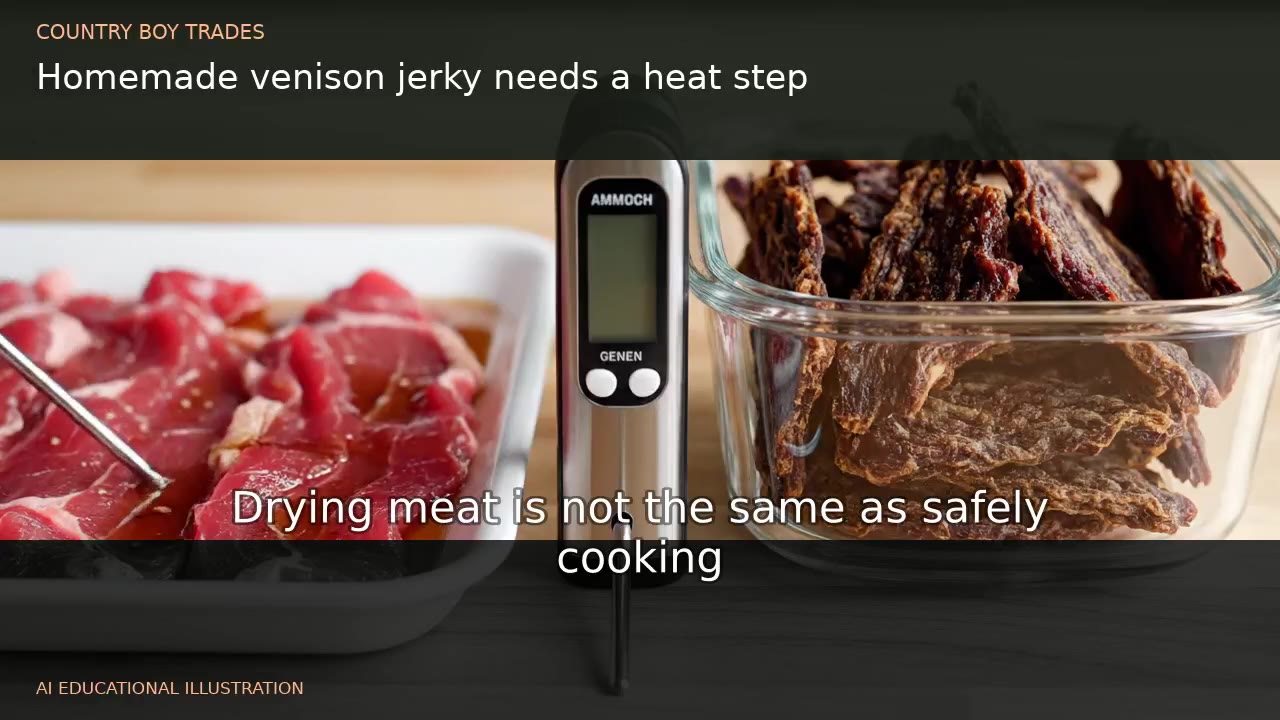 Homemade venison jerky needs a heat stepUnderstand the difference between heating meat and drying it.
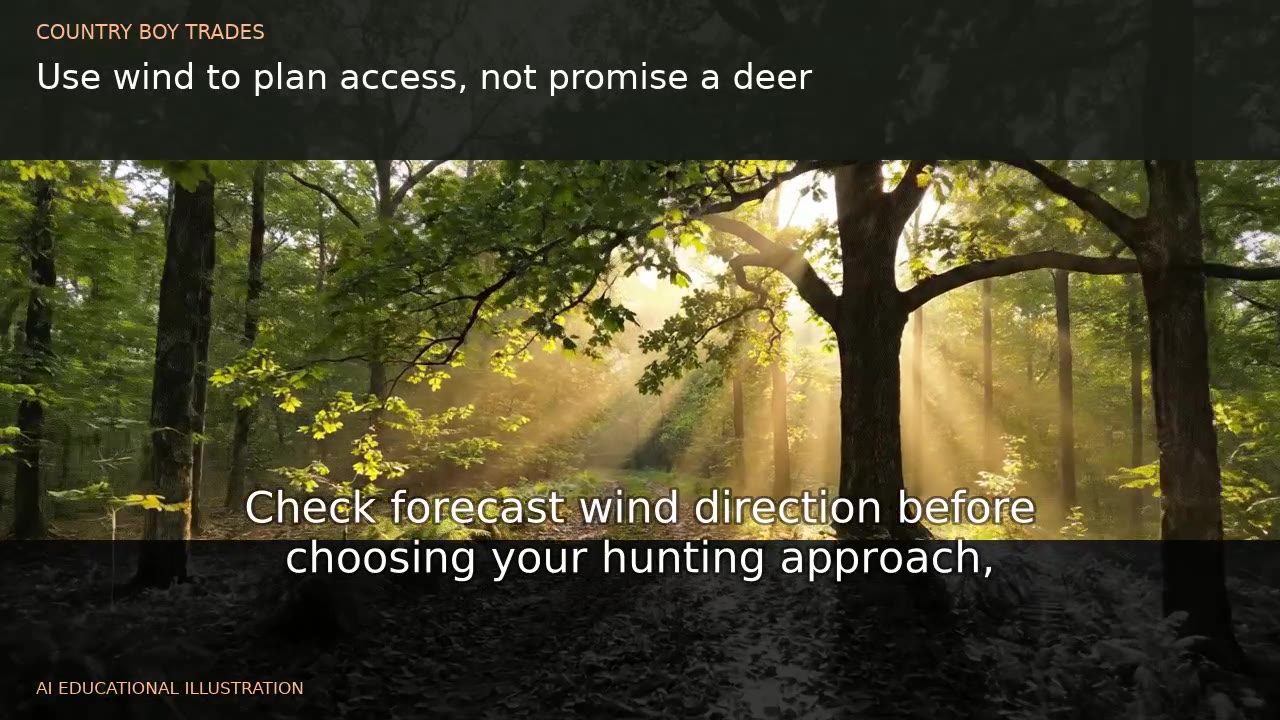 Use wind to plan access, not promise a deerCombine forecast wind, actual conditions, and permission to plan your approach.
 Deer movement windows are planning estimatesCompare morning and evening without mistaking daylight bands for tracking.
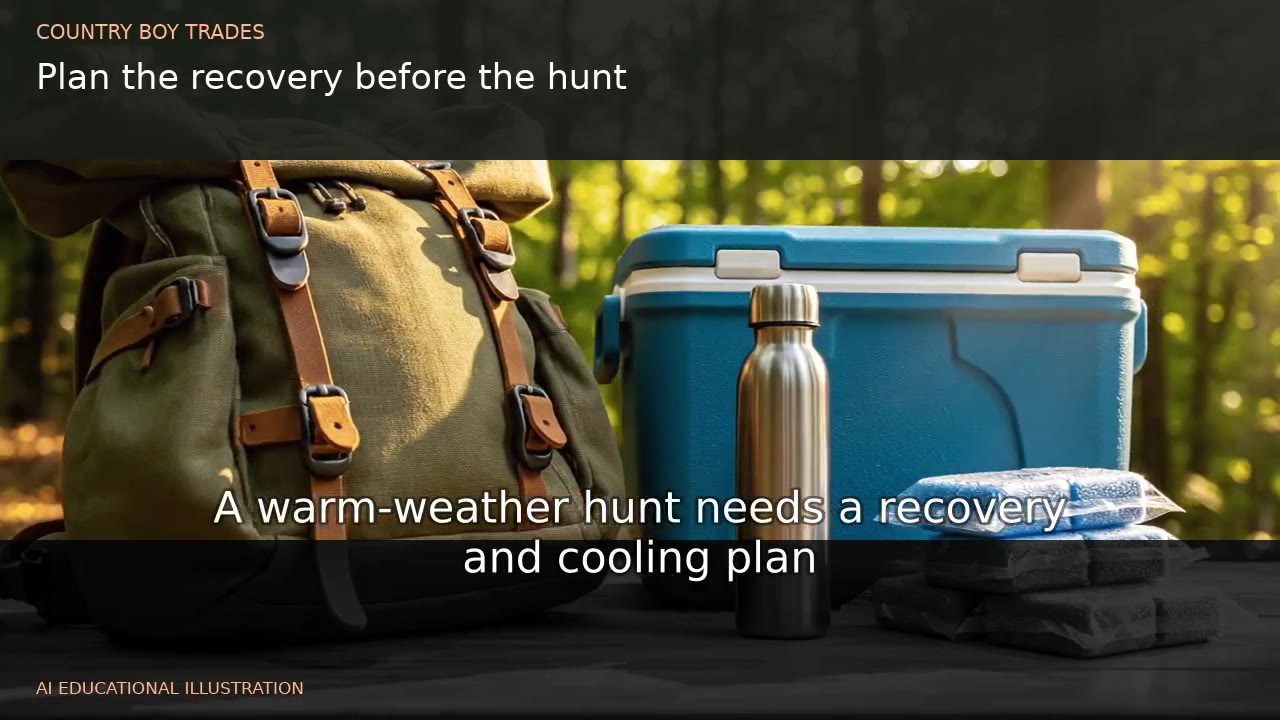 Plan the recovery before the huntPrepare communication, clean transport, cooling, and processor contact in advance.